Serving Dallas & Fort Worth for 20+ years Mess-free service

Author: admin

  • Why Is My Chimney Leaking When It Rains?

    Why Is My Chimney Leaking When It Rains?

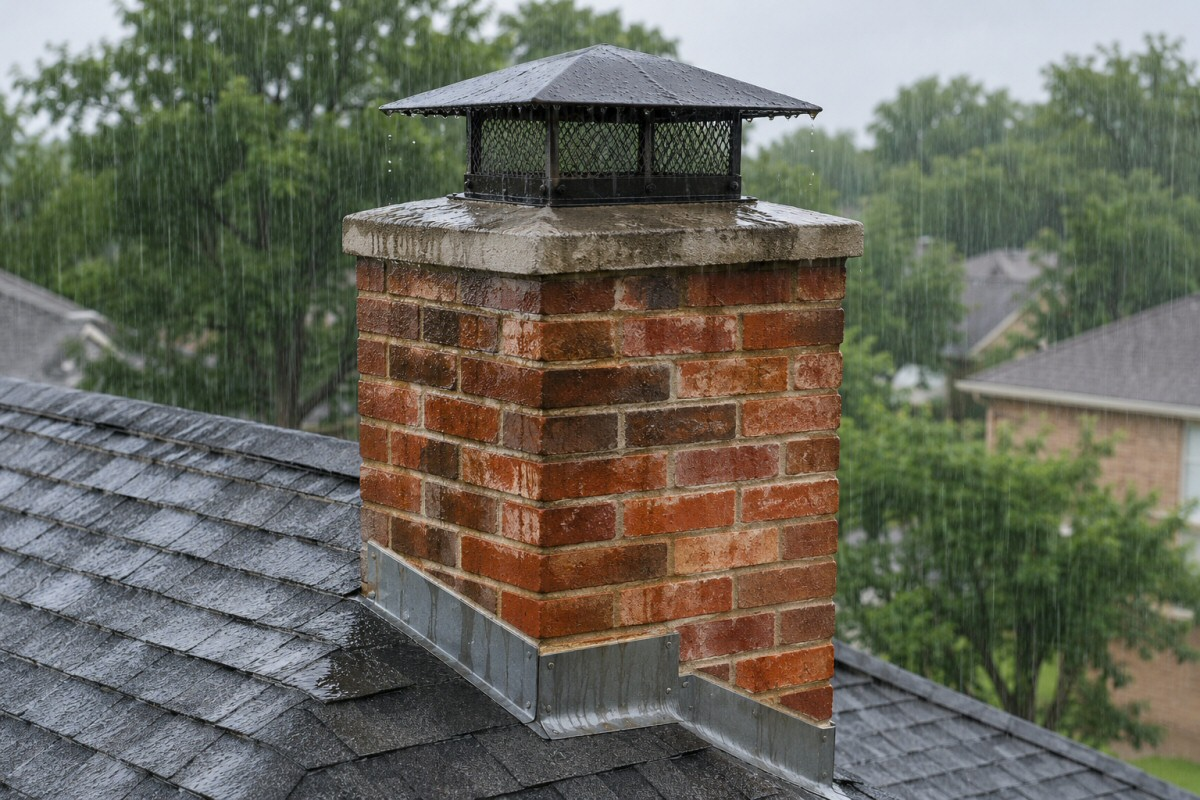
    If you hear dripping in the fireplace or notice a new ceiling stain after a storm, rain may be getting in around your chimney. Where the water shows up is a useful clue. The entry point may be higher up.

    Where does the water get in?

    • Missing or damaged cap. Rain can fall straight down the flue if the opening is exposed.
    • Cracked chimney crown. The crown sheds water off the top of a masonry chimney. Cracks can let water seep into the brickwork below.
    • Damaged flashing. Flashing seals the joint where the chimney meets the roof. If it pulls away, rain running down the roof can get underneath it.
    • Deteriorated mortar joints. Gaps between bricks can let wind-driven rain soak into the chimney.

    What should I do after a storm?

    Take a photo of any drips, rust, or stains and note when they appear. If water is getting into the fireplace, have the chimney checked before using it again.

    Canterbury Chimney Sweep helps Dallas–Fort Worth homeowners find where water is getting in and understand their repair options. Learn more about our chimney leak and repair services.
  • Chimney Inspection vs. Chimney Cleaning: Which Do I Need?

    Chimney Inspection vs. Chimney Cleaning: Which Do I Need?

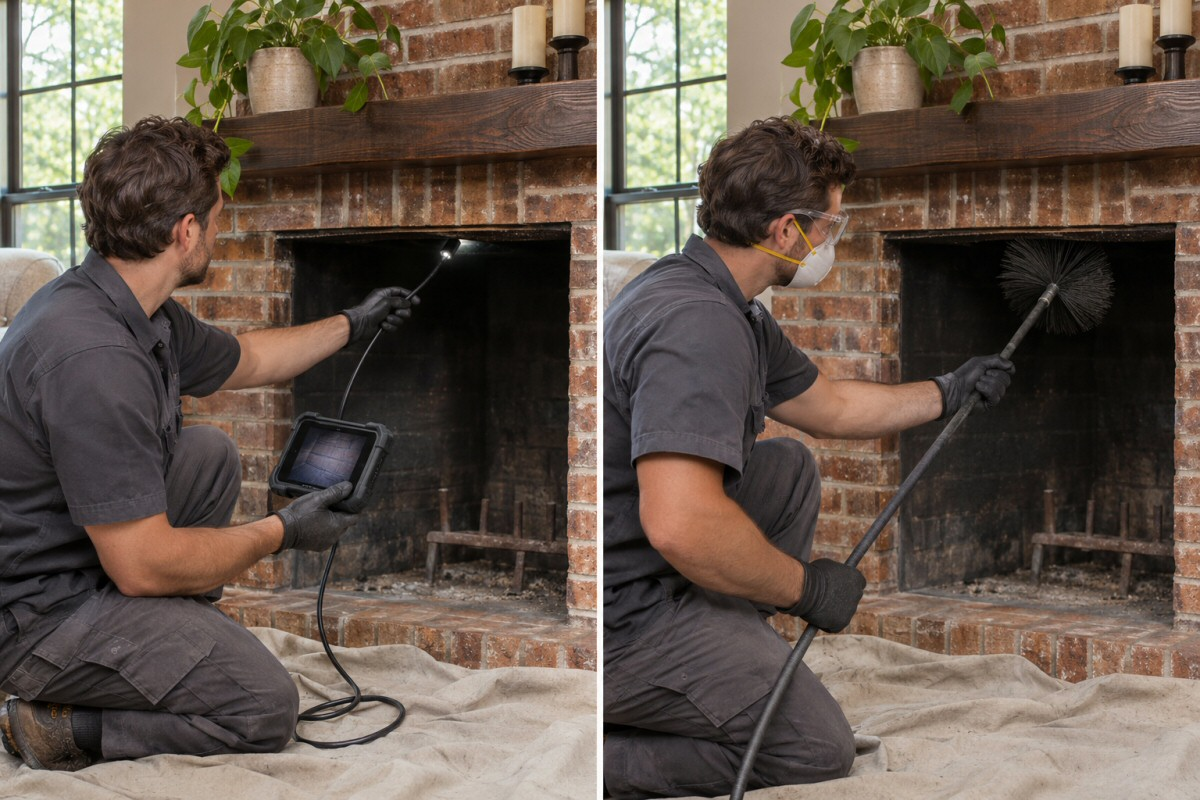
    A chimney inspection checks the condition of your fireplace and chimney. A chimney cleaning removes buildup from the flue. If you’re unsure which to schedule, start with an inspection. It can tell you whether your chimney needs sweeping, repairs, or a closer look.

    What does a chimney inspection check?

    During a routine inspection, a technician checks the parts of the chimney and fireplace they can readily access for signs of damage, blockages, and buildup. Plan on an inspection at least once a year, even if you only light a few fires each winter.

    When does a chimney need cleaning?

    Schedule a cleaning when the inspection finds soot, creosote, or debris that needs to be removed. Creosote is a flammable residue left by wood smoke. How often you need a sweep depends on how much you use your fireplace and what builds up inside the flue.

    When should I ask for a more detailed inspection?

    Tell your chimney professional if you’re buying a home or changing the type of fireplace or fuel you use. Those situations call for a more detailed inspection. If you suspect you’ve had a chimney fire, have the system professionally inspected before using it again.

    Have questions about what to book? Learn more about Canterbury’s chimney sweeping service in Dallas–Fort Worth.

  • Standard vs. Custom Chimney Caps

    Standard vs. Custom Chimney Caps

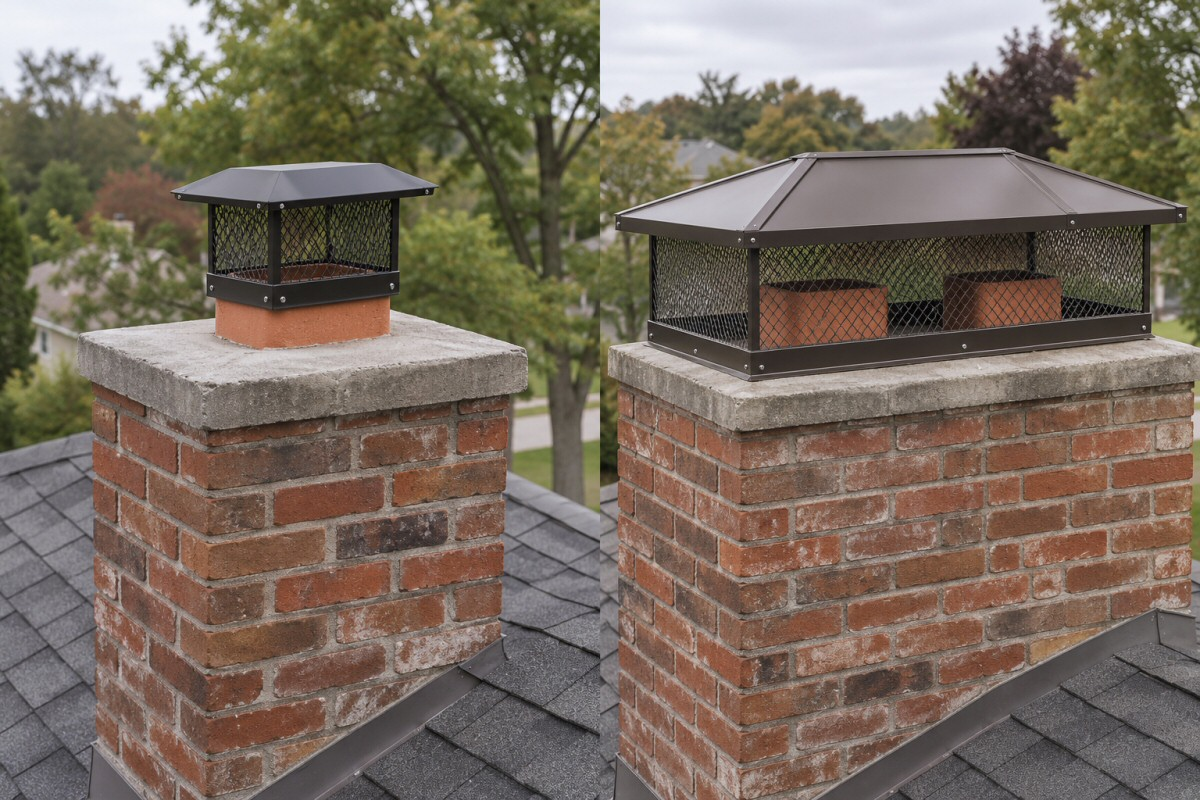
    A well-fitted chimney cap helps keep rain, leaves, and animals out of the flue while allowing smoke and exhaust to escape. For many masonry chimneys, a standard cap does the job. A custom cap makes sense when the shape, size, or layout calls for a different fit.

    When a standard chimney cap fits

    A standard cap comes in common sizes and shapes. If your chimney has a single flue with enough room to mount the cap securely, a stock model may be the simplest choice. The installer checks the flue dimensions and how far it extends above the crown, the surface at the top of the chimney.

    When a custom chimney cap makes sense

    A custom cap can be made to fit an unusually sized opening, a wide chimney crown, or several flues that need coverage under one cap. Custom fabrication also gives you more control over how the cap looks from the ground, including its shape and finish.

    How do I know which one I need?

    The choice comes down to what can be mounted securely while leaving enough room for each flue to vent. If you have a factory-built fireplace, the cap needs to be approved for that chimney system.

    Canterbury Chimney Sweep helps homeowners across Dallas–Fort Worth choose a cap that fits their chimney. Explore our chimney cap installation and custom chimney cap options.